
HEALTH
Is Mounjaro Safe? Risks and Benefits
All medications come with side effects – and Mounjaro is no different.
Mounjaro (tirzepatide) affects every person differently. Some patients may get a few different side effects, while others won’t get any side effects at all.
If you’re experiencing side effects, it doesn’t mean you need to call it quits. Nor does it mean the medication isn’t right for you. Most of the medication’s side effects are mild, and they should go away after your body becomes used to it.
And fortunately, there are some things you can do to prevent and manage these common side effects. So you can make your weight management journey as comfortable as possible.
What Are the Common Side Effects of Mounjaro?
The most common side effects of Mounjaro are stomach-related (gastrointestinal). This is because the medication works by slowing down the digestive system, helping you feel fuller quicker and for longer. By reducing your appetite, it helps you lose weight and maintain your weight loss.
The following side effects are listed as very common on the drug’s patient information leaflet (they may affect more than one in 10 people):
- Nausea
- Diarrhoea
- Vomiting
- Stomach pain
- Constipation
Common side effects, which may affect up to one in 10 patients, include:
- Dizziness
- Low blood pressure
- Indigestion (dyspepsia)
- Bloating
- Burping (eructation)
- Gas (flatulence)
- Reflux or heartburn (also called gastroesophageal reflux disease – GORD)
- Hair loss
- Feeling tired (fatigue)
- Injection site reactions
- Gallstones
- Low blood glucose levels (hypoglycaemia)
- Low blood pressure (hypotension)
Other Possible Mounjaro Side Effects
People taking Mounjaro often report a range of symptoms beyond the more common ones listed above. Below are some of the side effects that people frequently ask about.
Can Mounjaro Cause Headaches?
While headaches aren’t listed as a side effect of Mounjaro, many patients get them while on the medication.
There are a few reasons why you might have headaches. One common reason is dehydration because you’ll likely be eating and drinking less with a decreased appetite. Side effects, like vomiting and diarrhoea, also cause you to lose fluids.
If you’re on Mounjaro and headaches are causing you problems, drink plenty of water. The NHS recommends drinking six to eight glasses of fluids per day.
Eating nutrient-rich foods regularly can also help manage them. Research has found that foods high in magnesium, coenzyme Q10 (an antioxidant), and vitamin B2 (also known as riboflavin) can reduce headaches.
You can find magnesium in nuts and seeds, spinach, broccoli, and even dark chocolate (the darker the better). Fish, poultry, nuts and seeds are high in coenzyme Q10. You can get vitamin B2 from mushrooms, milk, egg, seaweed and spinach, and plain yogurt.
Is Hair Loss a Side Effect of Mounjaro?
Hair loss is a common side effect of the medication. Clinical trials have found that 4% to 5% of patients experience hair loss. But what causes hair loss on Mounjaro?
It’s likely that rapid weight loss – not the drug itself – causes your hair to shed. Weight loss can trigger a condition called telogen effluvium. Hair loss from telogen effluvium is temporary. Your hair will eventually stop shedding when your weight loss stabilises. And it should grow back within six to 12 months.
Hair loss can be a sign that you’re losing too much weight too quickly. When this happens, the body prioritises essential functions (like metabolism and organ function) over less vital ones (like hair and nail growth).
Nutrient deficiencies can also cause hair loss. So it could also be a sign you’re not eating enough whole foods. To prevent it, eat a diet rich in vitamins and minerals essential for hair health, including:
- Protein (hair is made of a protein called keratin)
- Iron (found in red meat, spinach and lentils)
- Zinc
- Biotin
Can Mounjaro Affect Your Period?
Some women have claimed Mounjaro is affecting their periods. They report irregular cycles, changes in flow and even pauses to their periods.
Unfortunately, there currently isn’t any published research that explains if – and how – the medication changes your menstrual cycle. It isn’t a listed side effect either.
However, it is possible that Mounjaro can affect your menstrual cycle. Although it’s likely caused by weight loss – not the medication itself. Weight and menstruation are very closely linked. Both weight loss and weight gain impact levels of the hormone oestrogen, which plays a key role in regulating the menstrual cycle.
For many women, losing weight can lead to changes in their menstrual cycle and symptoms. For some women, their symptoms of premenstrual syndrome (PMS) can actually improve with weight loss.
But if your periods have stopped completely, it could be a sign you’ve lost too much weight too fast. If this is the case, let your doctor and medication prescriber know.
Can Mounjaro Make You Cold?
While it is not listed as a side effect, many users have reported feeling cold on Mounjaro. So does Mounjaro make you cold?
Like feeling tired, we don’t know why some patients experience cold sensitivity. Although feeling chilly is likely a side effect of eating less and losing weight – not of the medication itself.
Body fat acts as insulation. So as you lose weight, you also lose some of this insulation. Eating less can also cause the body to hold onto energy. This is because you’re consuming fewer calories (which is a unit of energy). This means your body produces less heat.
If you’re on Mounjaro and feeling cold, it’s not always a cause for concern and it’s usually temporary. You should start to warm up again when your body adapts to the medication and your weight stabilises.
Can Mounjaro Make You Tired?
Fatigue is listed as a side effect of the medication.
We don’t know why you might feel fatigued on Mounjaro. But it could be because you’re not getting your essential nutrients or your blood sugar is getting too low. It may also affect your hormones and sleep-wake cycle.
If you are feeling fatigued from Mounjaro see the section below for tips on how to manage it.
Can Mounjaro Cause Thrush?
Thrush is not a listed side effect of Mounjaro. However, if you’re wondering if Mounjaro can cause thrush, you’re not the only one. Other users have also reported developing the common yeast infection while using the medication.
Thrush is caused by an overgrowth of Candida, a type of yeast that lives in the body. The link between Mounjaro and thrush is not fully understood. However, it’s possible its effects on blood sugar and bacteria in your gut can create environments that encourage Candida overgrowth.
It’s also possible that Mounjaro can indirectly cause thrush. Common side effects of the medication, including nausea, diarrhoea and vomiting, can create conditions that cause candida overgrowth. Meanwhile, rapid weight loss and dietary changes can affect your hormone levels and immune response. This can increase your likelihood of getting thrush.
How To Manage Common Mounjaro Side Effects
Simple changes to your routine can help you manage many of Mounjaro’s side effects. Here are some practical tips to help you feel more comfortable as your body adjusts to treatment.
Managing Digestive Side Effects
Digestive symptoms like nausea, constipation, diarrhoea and sulphur burps are among the most common side effects. The good news is, there are ways to manage them, so you can reduce their impact on your day-to-day life.
Managing Constipation
If you’re experiencing constipation, eating fibre will help your body soften the blockage. So aim to add fruits and vegetables to your meals daily and eat high fiber foods like whole grains, legumes, nuts and seeds. Dried fruits, particularly prunes, are known for relieving constipation. Try adding them to yoghurt, salads or porridge.
Doing regular physical activity can also help stimulate digestion and relieve constipation. It doesn’t need to be hard! Going on a walk can make a big difference.
And make sure to drink lots of water. This will also help ease constipation.
If you still have constipation after trying these tips, over-the-counter laxatives, like Lactulose, can relieve symptoms.
Managing Diarrhoea
Diarrhoea is common on Mounjaro. But if you’re not careful, it can cause serious problems. Diarrhoea can cause you to lose a lot of water, which increases your risk of dehydration. So it’s crucial you drink plenty of water if you’re experiencing it.
Staying hydrated will help you avoid this by replacing any lost fluids. You also can buy oral rehydration sachets over the counter. Avoid fruit juices, caffeinated drinks and alcohol because these drinks can make diarrhoea worse. Green and peppermint teas can also provide Mounjaro bloating relief.
Reduce your fibre intake. But eat regular meals three times a day to promote regular bowel movements.
Gentle exercise can encourage regular bowel movements. This might be walking, running or even doing some housework. Be careful not to do too much as it can make symptoms worse.
You can also take over-the-counter medicines, like loperamide (Imodium), to treat diarrhoea.
Nausea Relief
The best way to manage nausea on Mounjaro is to inject your dose at a time when symptoms won’t impact your day. For most people, this means taking it in the evening, when you’re at home and comfortable.
You can also take the following steps, which can help ease your symptoms:
- Eat Enough: It sounds counterintuitive but eating regularly can settle your stomach. But try not to eat too much in one go – eat small meals throughout the day instead and eat slowly. Time your meals around your symptoms, so you’re not eating when they’re at their worst.
- Stick to Plain Foods: While eating regularly can help you feel better, choose foods wisely. Avoid eating food that’s too creamy or spicy. Focus on plain food, like rice, bananas and crackers.
- Eat (or Drink) Ginger: Ginger has anti-nausea properties, thanks to a natural component called gingerol. There are many ways to get ginger into your diet. Drinking ginger tea is a great option because it keeps you hydrated, which also helps relieve symptoms.
- Do Some Gentle Exercise: Exercise can help you relax, which can help alleviate nausea. Getting fresh air can also ease symptoms too.
Sulphur Burps Relief
With their distinctive, sulphuric taste, “eggy burps” are burps that taste of, well, eggs. They affect around 3% of Mounjaro patients and you’re more likely to get them when you move up a dose.
They’re not usually anything to worry about. But they are as unpleasant as they sound. So here are a few ways you can get rid of sulphur burps:
- Over-the-Counter Medication: Antacids like omeprazole can reduce your sulphur burps. Simethicone can also help by reducing the amount you burp. Although it won’t reduce the amount of hydrogen sulphide you produce.
- Natural Remedies: Green, mint and chamomile tea, as well as ginger, cumin, caraway and turmeric may help digestion and soothe the gut. But results vary from person to person.
- Reducing Sulphur in Your Diet: High-sulphur foods include meat and fish, dairy and eggs, legumes and cruciferous vegetables (like broccoli and cabbage). But don’t try to remove all the sulphur from your diet. It still needs to be nutritious!
Managing Mounjaro Fatigue
While we don’t know why Mounjaro causes fatigue, it doesn’t mean you can’t do anything about it.
These five steps can help you combat fatigue:
- Eat a Balanced, Nutrient-Rich Diet: Focus on getting essential nutrients through your diet. Eat (mostly) whole, unprocessed foods, like fruits, vegetables, whole grains, lean proteins and healthy fats. This will keep your energy levels steady throughout the day.
- Get Some Exercise: It may sound counterproductive, but gentle exercise can help boost your energy levels, mood and sleep.
- Build a Sleep Routine: Try going to bed and waking up at the same time every day. This can help regulate your body’s natural sleep-wake cycle.
- Find Ways to Manage Stress: Popular methods include meditation, breathing exercises, hobbies and gentle exercise. Try them out and find your favourite technique.
- Drink More Water: Tiredness is a symptom of dehydration. So make sure you’re drinking six to eight glasses of water per day.
How Long Do Mounjaro Side Effects Last?
Most side effects of Mounjaro are usually mild. For most patients, they will disappear over time. How long this takes varies from person to person. But they typically last from a few days to a couple of weeks.
It’s also common for side effects to return, or get worse, when you increase your dose. This is normal. They should subside when your body gets used to your new dose.
How Long Does Mounjaro Stay in Your System?
Knowing how your body processes Mounjaro can help you understand why you feel side effects more on certain days and at certain times. This includes knowing when the medication peaks and how long it stays in your system.
When you inject your dose, it takes 24 to 72 hours for the concentration to peak in your bloodstream.
Mounjaro has a half-life of five days. That means it takes five days for the amount of the active substance (tirzepatide) to halve in your body. This half-life is why you take the medication once a week.
After your last dose, it will stay in your system for around 30 days.
Serious Side Effects: When to Seek Help
Serious side effects of Mounjaro are not that common. But you still need to know what they are, and what their symptoms are. This will help you get urgent medical attention if you need to.
Pancreatitis
Pancreatitis, which is when the pancreas becomes inflamed, is an uncommon side effect of Mounjaro. That means it may affect up to 1 in 100 people.
It can cause complications and, in some cases, can be life threatening. So see your doctor immediately if you have the following symptoms:
Severe abdominal pain – this is the main symptom of pancreatitis. It can feel like sudden, sharp, or burning pain in the upper abdomen, which often radiates to the back. It can also get worse after eating.
- Persistent nausea – with or without vomiting
- Fever
- Elevated heart rate
- Yellowing of the skin (jaundice)
- Bloating
- Tender abdomen that’s sensitive to touch
- Fatty stools
Serious Allergic Reaction
Severe allergic reactions to Mounjaro are rare. They may affect up to one in 1,000 patients. You should get medical attention immediately if you experience the following symptoms:
- Breathing problems
- Rapid swelling of the lips, tongue and/or throat
- Difficulty swallowing
- A fast heartbeat
Severe Dehydration
Severe dehydration is not a direct side effect of GLP-1 weight loss medication. Instead, it’s a serious side effect of other side effects. Common side effects, like vomiting, diarrhoea and constipation, can all cause dehydration. That’s why it’s so important to stay hydrated when you’re using Mounjaro.
If dehydration is severe, it can cause health complications like kidney damage. This can lead to hospitalisation.
See a doctor if you experience the following symptoms:
- Feeling unusually tired
- Feeling confused and disorientated
- Feeling dizzy when you stand up and it does not go away
- Dark yellow pee or peeing less than normal
- Breathing quickly with a fast heart rate
What Are the Long-Term Effects of Using Mounjaro?
We don’t (yet) know Mounjaro’s long-term effects. This is because it is still a relatively new treatment, with the UK’s Medicines and Healthcare products Regulatory Agency (MHRA) only approving Mounjaro for weight loss in November 2023.
It’s also the first GLP-1 receptor agonist that also contains glucose-dependent insulinotropic polypeptide (GIP). So we can’t compare it with other GLP-1 medications like Wegovy or Saxenda, which don’t contain GIP.
However, there are no concerns about Mounjaro’s long-term side effects. That’s why the MHRA has deemed GLP-1 agonists as safe and effective drugs for long-term use.
How Does Mounjaro Interact with Other Drugs, Substances or Conditions?
Some medications, supplements, and substances may either interact with Mounjaro or increase the risk of side effects. Here’s what you need to be aware of.
Other Medications
There are some drugs that interact with Mounjaro. This means there is a reaction between the two drugs that can change how they work.
Mounjaro is also used to treat people with type 2 diabetes, because it lowers blood sugar levels. But this means Mounjaro can interact with other diabetes medications, like insulin. Taking Mounjaro alongside other diabetes medications can increase your risk of low blood sugar (called hypoglycaemia).
Mounjaro helps you lose weight by slowing down digestion. This action can also affect how your body absorbs other medications absorbed through the stomach, like contraceptives.
If you’re taking Mounjaro, it can make oral contraceptives less effective. So we recommend using additional barrier methods, like condoms, while on Mounjaro. Especially when moving to a different dose.
Is It Safe to Take Mounjaro and Orlistat Together?
There are no known interactions between Mounjaro and orlistat. However, we recommend that you do not take orlistat and Mounjaro together.
Orlistat helps you lose weight by preventing your body from absorbing around 30% of the fat you get at mealtimes. Mounjaro suppresses your appetite. So, when you take both together, it could lead to nutrient deficiencies – especially in fat-soluble vitamins like vitamin A, D, E, and K.
Both medications also have similar side effects. So taking them together could increase your risk of nausea, diarrhoea and stomach pain.
Can You Drink Alcohol on Mounjaro?
We recommended that you avoid drinking alcohol while taking Mounjaro. Alcohol can increase your risk of side effects and make them worse. It can also make Mounjaro less effective.
Mounjaro also increases the effects of alcohol, meaning you may feel drunk more quickly than usual. If you’ve had any alcohol while taking Mounjaro, do not drive, as this puts you and others at risk. In Scotland, there is a zero-tolerance approach to drink-driving, so even without Mounjaro, it is illegal to drive after drinking.
Other Health Conditions
In certain cases, Mounjaro might not be the right treatment for you. For example, if you have – or have had – certain health conditions. This is called a contraindication.
You shouldn’t use Mounjaro if you have the following health issues:
- Thyroid Cancer: Mounjaro should not be used if you or a close family member has had medullary thyroid cancer or MEN2 (multiple endocrine neoplasia syndrome type 2). This warning is based on early animal studies where GLP-1 receptor activation caused thyroid tumours in rodents. Although this effect hasn’t been confirmed in humans, some safety reports suggest a possible association. See the connections between weight-loss medications and thyroid cancer for more detail.
- Allergy to Mounjaro: You can’t take Mounjaro if you’ve had an allergic reaction to the medication or any of its ingredients.
- Pancreatitis: If you’ve ever had pancreatitis, you should not use Mounjaro. Taking Mounjaro can lead to additional stress on your pancreas.
Your prescriber will run through your medical history during your assessment for the medication. Make sure to tell them if the above apply to you.
How Mounjaro Side Effects Compare with Wegovy
Mounjaro and Wegovy have similar side effects. Like all GLP-1 medications, the most common side effects of both medications are gastrointestinal (stomach-related). This is because they work by slowing down digestion, which makes you feel fuller quicker – and for longer.
| Very Common Side Effects | |
| Mounjaro | Wegovy |
| Feeling Sick (Nausea) | Feeling Sick (Nausea) |
| Being Sick (Vomiting) | Being Sick (Vomiting) |
| Constipation | Constipation |
| Diarrhoea | Diarrhoea |
| Stomach Pain | Stomach Pain |
| Feeling Weak or Tired | |
| Headache | |
Serious Side Effects
Like Mounjaro, pancreatitis and severe allergic reactions are also serious side effects of Wegovy.
Pancreatitis can develop into a medical emergency. Seek medical help if you feel a sudden, severe pain in the abdomen that often radiates to the side or back, along with nausea, vomiting, and fever.
Unlike Mounjaro, kidney stones are an uncommon serious side effect of Wegovy. Hip fractures are a rare serious side effect of Wegovy too.
Getting Support for Mounjaro Side Effects
Before you start Mounjaro, your prescriber will go through the risks and side effects of the medication. They’ll ask you questions and assess your health profile to make sure it’s safe for you to use the medication.
As you progress and move up doses of Mounjaro, let them know how you’re feeling and if you’re experiencing any side effects. This will help them provide a dosing schedule that works for you. They’ll also be able to provide tips to help you manage any discomfort.
If you have any concerns at all about your side effects, contact your healthcare provider. They’ll be able to provide you with support or alleviate any concerns. At Dermiral, we’re here for you throughout your weight loss journey.
References
Package leaflet: Information for the patient (n.d.). Available at: https://www.medicines.org.uk/emc/files/pil.15481.pdf
Package leaflet: Information for the patient wegovy FlexTouch. (n.d.). Available at: https://www.medicines.org.uk/emc/files/pil.13800.pdf
Mounjaro ® (tirzepatide) and the KwikPen® device (n.d.). Available at: https://uk.lilly.com/metabolic/assets/pdf/mounjaro-patient-booklet.pdf
MD, H.E.L. (2022). Why do I feel so cold all the time? [online] Harvard Health. Available at: https://www.health.harvard.edu/diseases-and-conditions/why-do-i-feel-so-cold-all-the-time
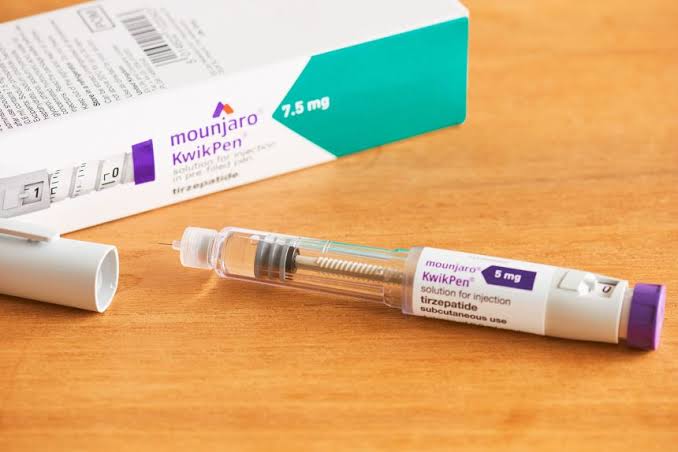
Wondering what side effects you might get on Mounjaro? This guide breaks it all down, from what to expect to simple tips for feeling better.