
HEALTH
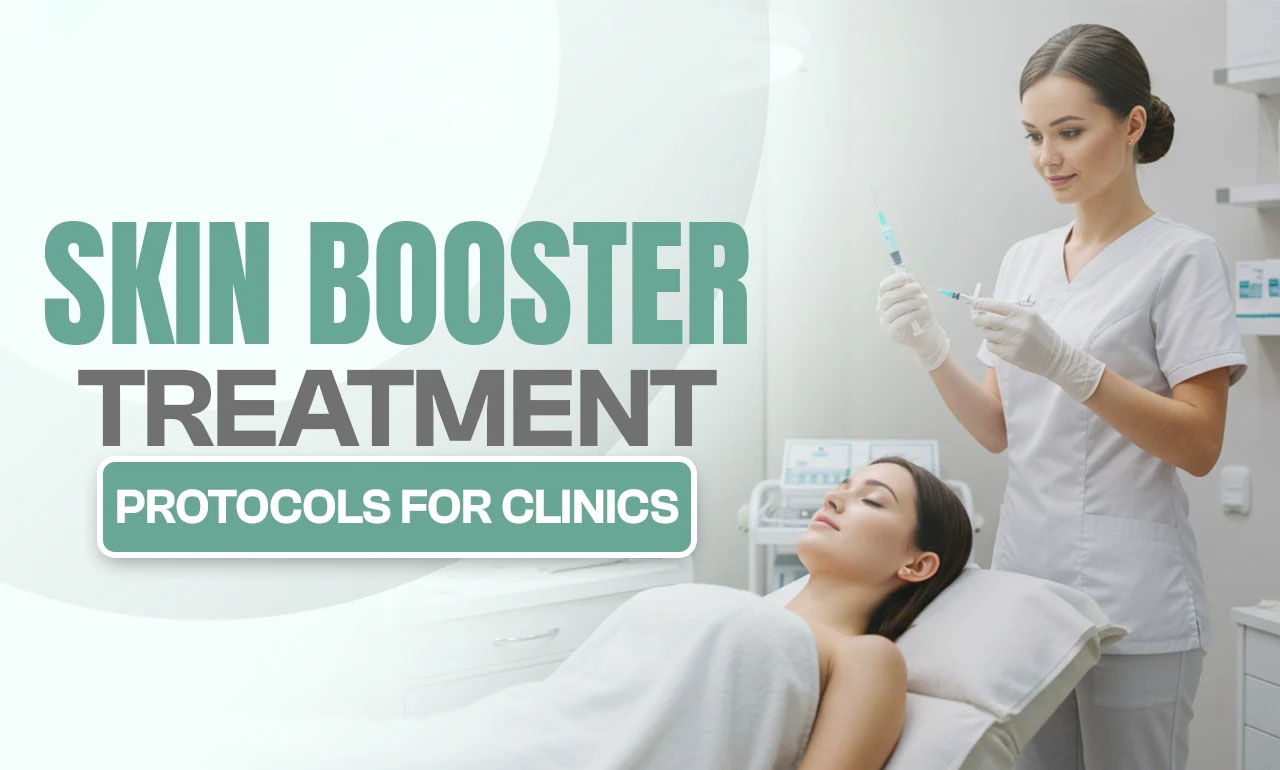
Skin booster treatment protocols for clinics
Apr
Skin booster treatment protocols for clinics
As a clinic owner, you’re always looking for the next big thing to offer your clients—treatments that deliver real, noticeable results. Here are skin boosters that come in. This innovative treatment is quickly becoming a favourite for its ability to hydrate and brighten your skin from within. But what exactly are skin boosters, and how can you effectively integrate them into your clinic’s offerings?
Since there are so many products and methods available, it can be hard to know what to do. How do you use skin boosters correctly? What steps should you take to ensure the treatment is safe and provides the best results for your clients?
So let’s cover the basics of what skin boosters are, how they work, and the most effective ways to offer them into your practice?
Types Of Skin Boosters
Skin boosters come in various types, based on their composition and uses. Let’s have a look:
Hyaluronic Acid Boosters
Restylane Skinboosters – These are the most popular skin boosters, which use hyaluronic acid to add moisture deep within your skin.
Profhilo: Profhilo spreads smoothly under your skin, so you don’t get any bumps. Instead, it gives you a natural-looking improvement in skin quality.
Polynucleotide Treatments
Nucleofill: These boosters utilise DNA-like substances to aid your skin in repairing and renewing itself.
Plinest – A treatment that helps your skin make more collagen.
You can choose Hyaluronic acid-based boosters or polynucleotide boosters according to your client’s needs and goals.
Patient Assessment and Consultation Protocols
Before You Begin: The Consultation
Before starting any treatment, it’s important to have a thorough consultation with your client. Think of this as your essential pre-treatment checklist.
- Review their medical history. Ask about their general health, any medications they’re taking, and if they’ve had any other cosmetic treatments.
- Analyse their skin and take photos. Carefully examine your client’s skin. Look for any areas of concern, and be sure to take ‘before’ photos.
Who Should Not Get Skin Boosters?
- Pregnant or Breastfeeding: Do not treat women who are pregnant or breastfeeding. We simply don’t know enough about the effects of skin boosters on a baby to risk it.
- Active Skin Infections: Wait until any skin infection, such as acne, cold sores, or other rashes, has completely cleared up. Injecting into an infected area can make the problem worse.
- Autoimmune Conditions: Exercise caution when working with clients who have conditions such as lupus or rheumatoid arthritis. Their immune systems can be unpredictable, and there’s a risk they might have a bad reaction to the treatment.
Pre-Treatment Preparation Protocols
Clinic Setup Must-haves
To keep your clients safe and prevent any problems, follow these simple steps:
- Clean Everything: Before each appointment, clean your treatment room. You can use a disinfectant wipe on all surfaces to kill germs and keep everyone safe.
- Sterilise Your Tools: Always use a new, sterile needle and syringe for each patient. All other tools should be properly sterilised or, even better, use disposable ones whenever you can.
- Be Prepared for Anything: Keep a stocked emergency kit on hand and make sure everyone on your staff knows exactly what to do if a client has an allergic reaction or another serious side effects.
Patient Preparation
- Skin Cleansing Procedures – Clean the patient’s skin with antiseptic solution to remove makeup, dirt, and bacteria before starting the injections.
- Topical Anaesthetic Application – Apply numbing cream 20-30 minutes before treatment to make the injections more comfortable for the patient.
Product Handling and Storage
- Temperature Control – Store all skin booster products at the right temperature (usually in the refrigerator) to keep them effective and safe.
- Expiration Date Monitoring – Always check expiration dates before using any product, and never use anything that’s past its expiry date.
Treatment Administration Protocols
Injection Techniques
- Micro-Papule Technique: This is a method of injecting the product in many tiny bumps, closely spaced, all over the treatment area. These small bumps are completely normal and will disappear on their own in just a few hours.
- Linear Threading Method: With this method, the needle is inserted into the skin, and the product is injected in a continuous, straight line as the needle is slowly and carefully pulled out.
- Depth Guidelines for Different Areas: Inject shallowly (just under the surface) for delicate areas, such as around the eyes, and slightly deeper for thicker skin areas, like the cheeks.
Anatomical Considerations
Know the Safe Injection Spots: You need to know exactly where to inject to get the best results and, more importantly, to avoid dangerous spots. By avoiding major blood vessels and nerves, you can prevent serious side effects and keep your clients safe.
Use the Right Amount of Product: You shouldn’t use the same amount of product for every part of the face. The key is to use the proper dosage for each area. For smaller areas, such as the lips, you’ll need less product. For larger areas, such as the cheeks, you’ll need more.
Pain Management Strategies
- Topical Anaesthetics – Use numbing cream or gel before treatment to reduce pain and make the patient more comfortable during injections.
- Distraction Techniques – Talk to the patient or have them focus on breathing to help take their mind off the injection process.
- Ice Application Protocols – Apply ice or cold packs before and after injections to numb the area and reduce swelling and bruising.
Quality Assurance and Safety Protocols
Staff Training Requirements
- Certification is important: Only allow staff with the right medical training and certifications to perform skin booster injections. This ensures treatments are done safely and correctly.
- Stay Up-to-Date: The beauty industry is constantly changing. Make sure your team gets regular training on new techniques, products, and safety guidelines.
Equipment Maintenance
- Regular Calibration: Check and adjust all equipment regularly to ensure it’s working correctly and giving accurate results.
- Cleaning Protocols: Disinfect all reusable tools after every patient using approved medical-grade cleaning products.
- Replacement Schedules: Use new, disposable items, such as needles and syringes, for each patient. Replace reusable equipment when you see signs of wear and tear.
Summing Up
Having clear rules for skin booster treatments is a must. It keeps your patients safe and guarantees they get amazing results. When your clinic has a step-by-step plan, your staff knows exactly what to do, which helps prevent mistakes and ensures consistent, high-quality care.
Putting patient safety first means that everyone is properly trained, all equipment is clean, and you pay close attention to every detail. When you follow these steps, you’ll build trust with your patients and protect your business.