
HEALTH
When to choose an under‑eye booster over a filler (and vice‑versa)
Apr
When to choose an under‑eye booster over a filler (and vice‑versa)
Sometimes, we deal with under-eye issues like dark circles, puffiness, or sunken areas. These things can make us look tired even if we’ve slept well.
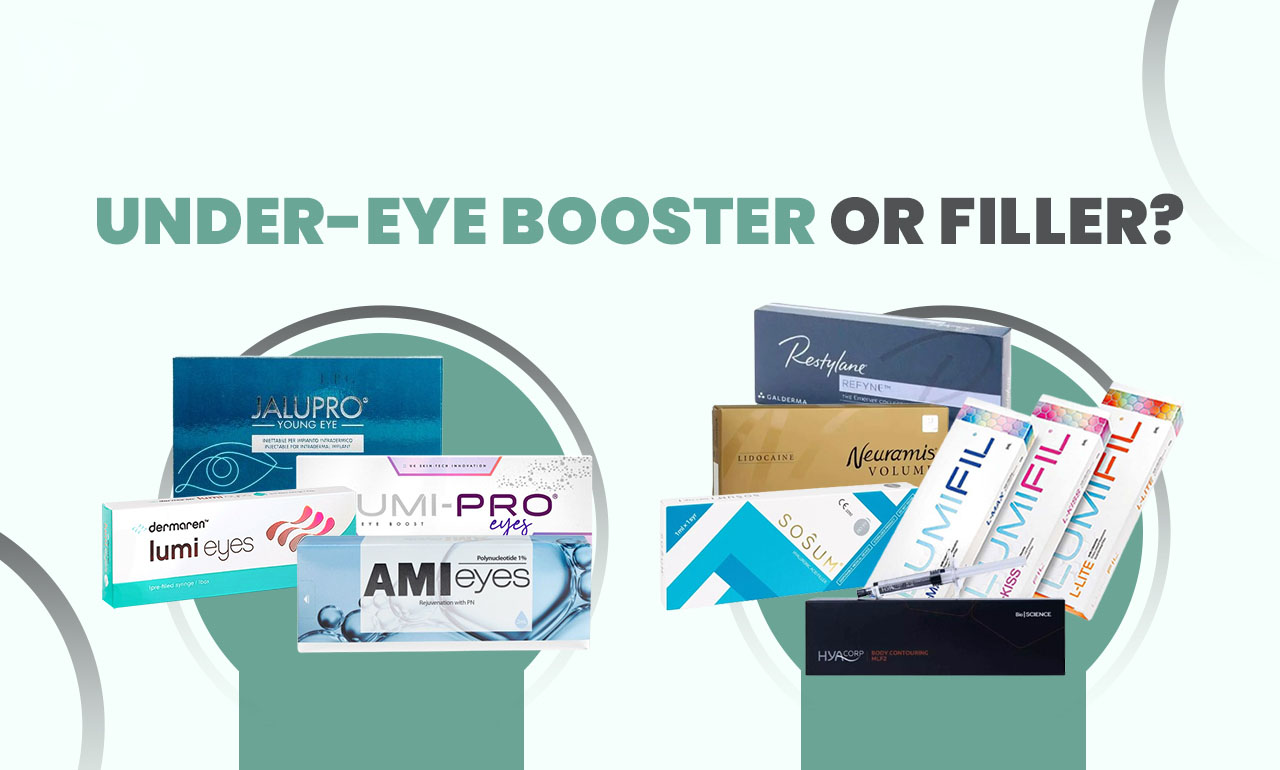
The two main ways to fix these problems are under-eye boosters or fillers. Both can help, but they work differently and are better for different people. Under-eye boosters are like vitamins for your skin. They typically come as serums or creams that add moisture and nutrients. Fillers, conversely, are gel-like substances a doctor injects under your skin to add volume right away.
It’s important to choose the right one! If you pick the wrong thing, it might not work well or be a waste of money. So, we’ll help you figure out when to use each treatment based on what you need and what bothers you.
What Are Under-Eye Fillers?
Under-eye fillers are soft gels that doctors inject beneath the skin. Most fillers use hyaluronic acid, a substance your body already makes naturally. Popular brands include Juvederm and Restylane.
The treatment is fast—it usually takes only 15 to 30 minutes. The doctor injects filler into the hollows under your eyes with a fine needle. They usually put on a numbing cream first, so it doesn’t hurt much.
Fillers typically last 6-18 months before your body naturally absorbs them. After that, you’ll need another treatment to maintain the results.
When to Choose Under-Eye Boosters?
Go with under-eye boosters when:
- You have mild issues like slight dark circles or minor puffiness.
- You’re young (20s to early 30s) and want to prevent problems before they start.
- Your main concerns are dryness, crepey skin, or skin quality rather than deep hollows.
- You prefer non-needle approaches without downtime.
- You want a gradual, natural improvement over time.
- You’re on a tighter budget for each treatment session.
- You enjoy daily skincare routines.
Boosters are perfect if you want to improve your skin health gradually with lower risk and less commitment.
When to Choose Under-Eye Fillers?
Think about getting under-eye fillers if:
- You have deep lines under your eyes that curve down to your cheeks.
- You have sunken areas that make shadows under your eyes.
- You want to see results right away, right after the treatment.
- You don’t want to put on creams or other products every day.
- You’re okay with spending more money for results that last longer.
- You’ve tried other treatments that didn’t help enough.
- You have hollows under your eyes because of your family (genetics), not just skin problems.
- Your face looks like it’s lost some fullness as you’ve gotten older and needs more support.
Fillers work best when your primary problem is a lack of volume or structure that creates shadows rather than just skin quality issues.
Combining Approaches
Sometimes, using both boosters and fillers can give you the best results. Here’s how they help each other:
Fillers can fix the deeper hollows by adding fullness, while boosters make the skin on top look better. So, they deal with the deeper problem and the surface look under your eyes. S
Some doctors suggest getting fillers first to add volume and then using boosters to help keep the skin looking good and make the filler last longer. This means you won’t need filler touch-ups as often.
For some people, it’s better to start with boosters to make the skin healthier before getting fillers. This can make the fillers work even better and might cause less bruising or swelling.
Because your under-eye area changes as you age, your treatment plan might switch between boosters and fillers over time. What works when you’re 30 might not be the same as when you’re 50.
Risks and Side Effects
Every treatment has some downsides to consider. Here’s what you should know:
Downsides of Boosters
- Mild Side Effects: Boosters typically have very mild side effects, like a bit of redness or slight irritation, that don’t last long.
- Allergic Reactions: Some individuals might experience allergic reactions to specific ingredients in the booster.
- Time to See Results: Boosters don’t provide immediate results, so you’ll need patience to see the improvements.
Potential Downsides of Fillers
- Common Side Effects: Fillers can cause bruising, swelling, or lumpiness that can last from a few days to a week.
- Rare Complications: In rare instances, more serious complications can occur with fillers.
- Unnatural Appearance or Tyndall Effect: If the filler isn’t injected correctly, it can look unnatural or create a bluish tint under thin skin (the Tyndall effect).
- Filler Migration: Fillers can sometimes move slightly over time, especially if you rub your eyes frequently or sleep on your face.
Patient Selection and Consultation
The choice of the right treatment starts with a good consultation. Here’s how to approach it:
- Expect a Thorough Examination: A good consultation involves the provider looking at your face carefully from different angles and in various lighting conditions. They should take the time to understand what truly bothers them.
- Bring Reference Photos: If your goal is to bring back a look you had in the past rather than create a new one, get photos of yourself from a few years ago.
- Be Open About Your Medical History: Share your medical background, including allergies, previous treatments, and eye conditions. This is important for choosing the safest treatment for you.
What to Ask Your Provider?
- Request Before-and-After Photos: Ask to see photos of patients the provider has treated with concerns similar to yours.
- Inquire About Experience and Expectations: Good questions are: ‘How many of these treatments have you performed?’ and ‘What kind of results can I expect?’
Be Careful Of:
High-Pressure Sales: Be careful if someone strongly pushes the pricier option without explaining why it’s better for your situation.
Final Thoughts
The choice of under-eye boosters or fillers depends on your specific concerns, how much you’re willing to spend, and your comfort level with the procedures. Boosters are ideal for minor issues and ongoing maintenance, while fillers offer quick fixes for deeper lines and shadows. Often, combining both treatments at different times yields the best outcome. Regardless of your choice, consult a trusted provider who understands your concerns and can create a flexible plan that evolves with your skin.